DESTINATIONS
Hosios Loukas Monastery from Arachova: A Cultural Day Trip
Discover the Monastery of Hosios Loukas as a thoughtful cultural excursion from Arachova, with Byzantine architecture, UNESCO-listed mosaics and practical planning guidance.
A stay in Arachova is often associated with Mount Parnassos, mountain scenery and winter weekends. Yet one of the most rewarding cultural visits in the wider area lies away from the village centre: the Monastery of Hosios Loukas, a major monument of Middle Byzantine art and architecture.
For travellers who want to add history, art and a quieter sense of place to their stay, Hosios Loukas works naturally as a cultural excursion from Arachova. It is not an attraction that needs to be rushed. The value of the visit is in moving slowly through the monastic complex, noticing the architecture, mosaics, marble surfaces and landscape, and understanding why the site has been recognised internationally.
Why Hosios Loukas matters
Hosios Loukas is part of the UNESCO World Heritage property that also includes the monasteries of Daphni and Nea Moni of Chios. The three monasteries were inscribed on the World Heritage List in 1990 for the quality of their architecture and decoration, particularly their gold-background mosaics and their importance within Middle Byzantine religious architecture.
The monastery remains especially significant because its historic complex preserves the relationship between architecture, decoration and monastic life. UNESCO notes that the Katholikon at Hosios Loukas retains its essential 11th-century form together with mosaics, frescoes, marble revetments, architectural sculpture and pavements.
This is what makes the site more than a beautiful stop on a mountain itinerary. It is a place where the visitor can read Byzantine history directly through space, material and light.
Two churches at the heart of the monastery
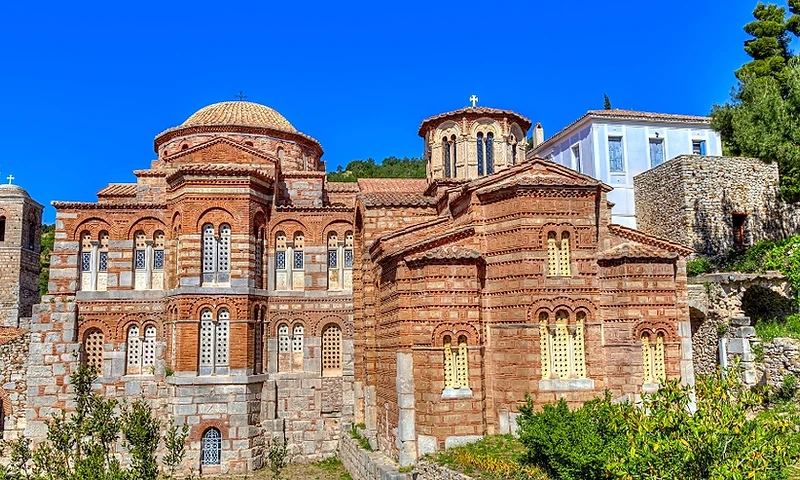
The centre of the complex is formed by two adjoining churches from different periods.
The smaller Church of the Theotokos belongs to the 10th century. The Greek Ministry of Culture describes it as an important example of the cross-in-square architectural tradition, with carefully constructed masonry and rich decorative details.
Next to it stands the larger Katholikon, built in the first half of the 11th century. Its interior is the visual highlight for many visitors. Marble revetments cover the lower parts of the walls, while mosaics and wall paintings occupy the upper zones and chapels. The result is not simply decorative: the architecture and imagery were designed as a unified religious environment.
The contrast between the two churches also helps visitors understand how Byzantine architecture developed over time. Rather than viewing the monastery as a single monument, it is worth looking at the different volumes, masonry, domes and interior surfaces as parts of a layered historic complex.
What to look for during your visit
Hosios Loukas rewards attention to detail.
Start with the exterior relationship between the two churches and the surrounding monastic buildings. The setting on the slopes of Mount Helicon gives the complex a strong connection to the landscape, while the enclosed monastery creates a noticeably different atmosphere once you step inside.
Within the Katholikon, take time to observe the gold-background mosaics and the way they interact with natural light. UNESCO identifies the mosaics of Hosios Loukas, Daphni and Nea Moni as exceptional artistic achievements of Byzantine art.
Also look at the marble decoration, sculptural details and changes in surface from one part of the church to another. Beneath the Katholikon is the crypt, another important part of the complex, with wall paintings that add a different, more intimate dimension to the visit.
The restored Refectory is also significant. According to the Directorate of Archaeological Museums, it houses a collection of Byzantine sculpture from the monastery and the wider area, together with inscriptions and selected detached frescoes.
Planning the visit from Arachova
Hosios Loukas is well suited to travellers staying in Arachova who want a half-day cultural outing or a stop within a broader day of exploration.
Before setting out, check the current visitor information from the Hellenic Ministry of Culture. Opening hours, admission arrangements and holiday schedules can change seasonally, so the official source should always take priority over older travel articles or cached search results.
The monastery is also an active place of worship. Dress and behaviour should reflect that setting. Keep voices low, follow any photography restrictions displayed on site, and allow worshippers and the monastic community appropriate space.
Comfortable footwear is useful because historic religious complexes can include steps and uneven surfaces. Visitors with mobility requirements should review the latest accessibility information before travelling, as access conditions vary across different parts of the monument.
How to combine Hosios Loukas with your Arachova stay
One of the advantages of staying in Arachova is the variety of experiences available within the wider region. A cultural visit to Hosios Loukas can balance a trip that also includes mountain landscapes, local food, village walks or the archaeological landscape around Delphi.
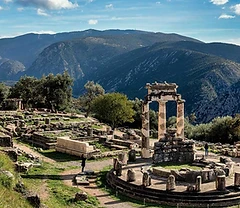
If you have already visited Delphi, Hosios Loukas offers a very different perspective on Greek history. Delphi introduces the religious and political world of antiquity; Hosios Loukas brings the story forward into the Byzantine period. Visiting both during the same stay can create a broader sense of the region's cultural continuity without treating either site as a quick checklist stop.
For a slower itinerary, make Hosios Loukas the main purpose of the outing and return to Arachova with time left for the village. This is often more rewarding than trying to fit several major sites into a tightly timed route.
You can also explore our Hosios Loukas local recommendation for practical context, or browse stays in Arachova when planning a future visit.
A year-round cultural experience
Hosios Loukas can form part of an Arachova itinerary in every season, but the character of the excursion changes through the year.
In spring and autumn, the surrounding landscape can be an important part of the experience. Summer calls for sensible planning around heat and the day's visitor schedule. In winter, road and weather conditions in the wider mountain region deserve extra attention.
The monument itself should remain the focus. Rather than promising a fixed experience based on season, check the official visitor information shortly before your visit and adapt the outing to current conditions.
A different side of an Arachova escape
The strongest trips to Arachova are not necessarily the ones with the longest list of activities. They are the ones that combine contrasting experiences well.
Hosios Loukas adds stillness, Byzantine art and historical depth to a destination often seen primarily through a mountain or winter lens. Its architecture and mosaics justify the visit on their own, while its setting makes the journey feel connected to the wider landscape of Central Greece.
For guests who value culture, photography, history or simply a thoughtful change of pace, it is one of the most meaningful additions to an Arachova stay.
Explore more curated ideas in Beyond Stay Discover, or ask the Concierge if you would like help bringing the different parts of your trip together.
Explore related local guides
Learn moreRelated local guides

Related articles