
Acropolis Visitor Guide
Acropolis, central Athens, Attica
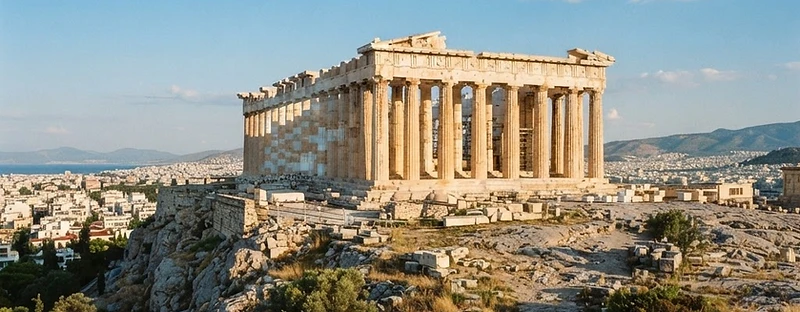
The Acropolis of Athens is the most iconic monument of Classical antiquity - a citadel of temples and sanctuaries crowned by the Parthenon. A UNESCO World Heritage Site since 1987, it stands as a universal symbol of the classical spirit and Western civilisation.
Why we recommend it
The Acropolis is not merely a site to visit - it is the defining monument of Athens and one of the most significant places in Western civilisation. No visit to the city is complete without it, and standing before the Parthenon is an experience that stays with every traveller.
Highlights
- The Parthenon - masterpiece of Classical Greek architecture
- The Erechtheion with its Caryatid porch
- Propylaia - the monumental entrance gateway
- Panoramic views across Athens to the sea
- UNESCO World Heritage Site since 1987
About this place
The Acropolis has been the heart of Athens for over three thousand years. Rising above the modern city, its limestone plateau has served as fortress, religious sanctuary, and symbol of Athenian power and achievement. The monuments visible today - the Parthenon, the Erechtheion, the Temple of Athena Nike, and the Propylaia - date primarily from the 5th century BC, the Golden Age of Pericles. A UNESCO World Heritage Site since 1987, the Acropolis represents the finest expression of Classical Greek architecture and thought. The Parthenon, dedicated to the goddess Athena, is considered the high point of Doric temple architecture. The site has been listed by UNESCO as an example of best practice in World Heritage management. Visiting the Acropolis requires planning. The climb to the summit involves stone steps and uneven surfaces, with limited shade. Early morning or late afternoon visits are recommended, particularly in summer when heat and crowds can be challenging. The site is administered by the Hellenic Ministry of Culture. The Acropolis is distinct from the Acropolis Museum, which is located nearby at the foot of the hill. Many visitors combine both in a single outing, but they are separate sites with separate tickets.
Practical information
The climb involves stone steps and uneven surfaces with limited shade. Wear sturdy, non-slip shoes and bring water and sun protection. Opening hours and admission arrangements may change - please consult the official source before visiting. Avoid midday visits in summer. The site is administered by the Hellenic Ministry of Culture.
Seasonality and weather: The site is fully exposed to sun with almost no shade. Summer heat can be dangerous - visit early morning or late afternoon. Bring water and sun protection. The site may close during extreme weather.
Safety notes: Wear non-slip footwear - marble and stone can be slippery, especially when wet. Stay on designated paths. Do not climb on monuments or walls. Bring water, especially in summer.
Accessibility: The Acropolis involves a significant climb on uneven stone surfaces. A specially designed wheelchair route is available but must be arranged in advance by contacting the site. Standard wheelchair access is very limited due to the terrain and steps.
Need help planning?
Our concierge team can help coordinate transport, timing and tailored arrangements.
Ask the Concierge